
Guest bathrooms and shared pipework
Record which rooms are affected and when water appears. Arrange access above or beside the stain, including any shared riser.
Bathroom and riser investigationsFor West Midlands hotels, unexplained water use can involve long supply routes, storage tanks and several buildings. ADI plans investigations around the facilities that need to remain available. A Solihull hotel survey below shows why missing pipe plans and a limited isolation period can leave further tracing work necessary.
ADI investigation · January 2024
A hotel reported a suspected mains leak with no visible flooding. Its meter lay away from the buildings, and the route to the hotel’s tank and pumps was not recorded. With the hotel end isolated, the engineer observed about fifty litres of meter movement over ten minutes.
Acoustic checks along the access road and adjacent field margins did not identify a location. The engineer then isolated the main and introduced tracer gas with compressed air. Checks at a neighbouring property supported the view that its supply was separate, but no significant gas readings located the hotel leak.
Testing stopped at the agreed cutoff so the hotel’s break tank would not run dry and put the pumps at risk. The supply was restored. Further investigation was recommended: no leak location or completed repair was established.
Hotel leak detection services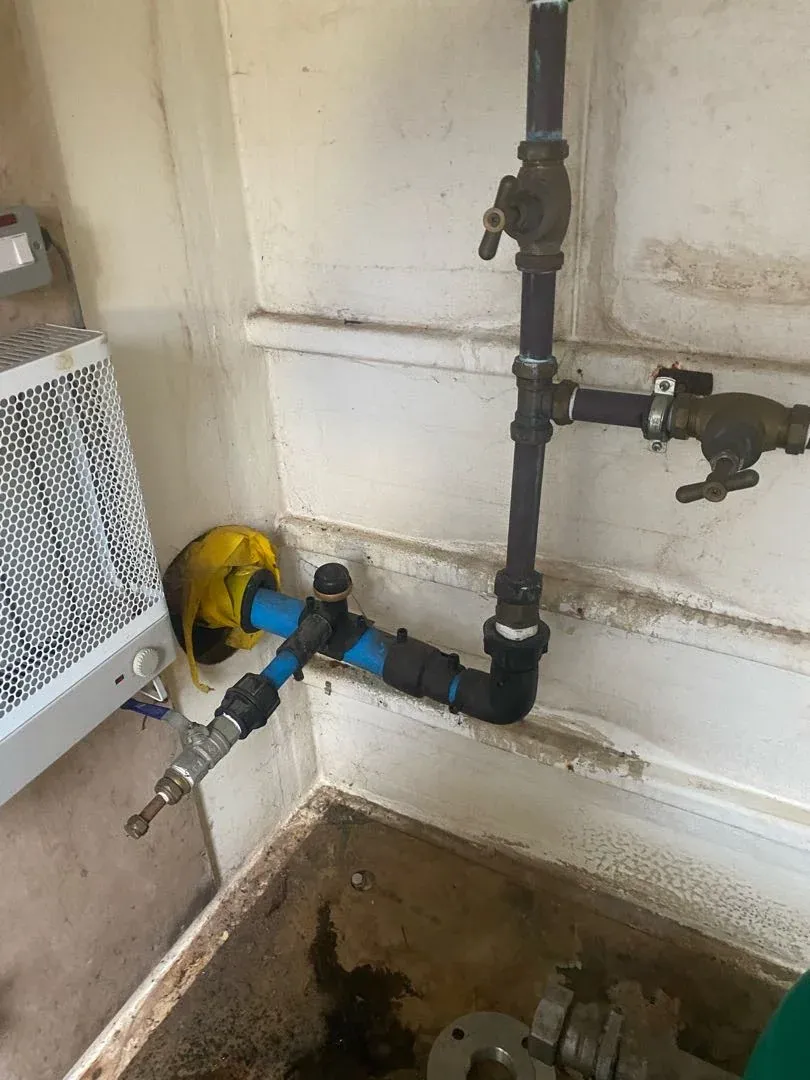
Record which rooms are affected and when water appears. Arrange access above or beside the stain, including any shared riser.
Bathroom and riser investigationsProvide pressure records and plant details. Agree which circuits can be tested without interrupting essential guest services.
Heating leak surveysShare meter readings, known consumption and available pipe plans. Identify shared supplies and safe access to external routes.
Underground and boosted suppliesDescribe the water loss and operating schedule. Agree access and any isolation with the staff responsible for the facility.
Pool and spa leak detectionRecord the relationship to rainfall and affected rooms. ADI investigates ingress; roofing and building repairs need the appropriate trade.
Roof and façade investigationsNote whether damp follows equipment use. Arrange access around catering and laundry operations, with existing drainage records where available.
Drainage and back-of-house leaksFor a West Midlands hotel, give one site contact responsibility for the survey arrangements. Confirm the quotation and any limits on access before booking.
Provide room numbers, photographs and the timing of water loss. Share meter or pressure records and earlier maintenance findings.
Plan entry around guests, occupied rooms and staff-only areas. Identify who can approve interruptions to water, heating or leisure facilities, and share induction requirements.
The report records tests, observations and unresolved access limits. Agree further investigation and repair costs separately; an insurer decides whether the work is covered.
Temperature and moisture readings help guide the search. Pressure tests, acoustics, tracer gas or cameras may then be appropriate for the suspected source. Pipework, isolation and access determine the method.
The meter recorded continuing water use with the hotel end isolated. This established loss without identifying its location.
Listening along accessible routes produced no clear leak location during this visit.
Gas testing also failed to locate the leak within the available isolation period. The supply was restored and further tracing recommended.
The access plan depends on how the building is used. A large city-centre hotel with conference guests needs a different approach from a boutique property in a conservation area or a spa hotel with extensive leisure facilities.
Tell us which rooms are affected and when they are available. Housekeeping observations can help establish whether the leak follows shower use, heating or rainfall.
In a smaller building, one closed room can matter. We use non-invasive tests first and explain where targeted access may be needed to confirm or repair the fault.
If the hotel is listed or has protected finishes, tell the office before booking. Share any restrictions on access or opening up so the investigation can be planned with your maintenance team. Agree further access separately if it is needed.
Pool water loss, filtration pipework and guest hot-water systems need to be considered separately. Tell the office which facilities are affected and any limits on access or isolation.
Hotel Leak Detection, a specialist service from ADI Leak Detection. Our hotel surveys draw on ADI’s engineers and specialist equipment across England, Scotland and Wales.
The West Midlands county comprises Birmingham, Coventry, Dudley, Sandwell, Solihull, Walsall and Wolverhampton. It is distinct from the wider West Midlands region. Provide the property postcode to confirm survey arrangements and availability.
Provide any drawings, previous excavations and details of other buildings served. The Solihull case remained unresolved where the route was uncertain and tests did not produce a location. Further tracing may be necessary.
Tests may require water use to stop or supplies to be isolated. Your team must agree the period and the requirements of tanks, pumps and guest facilities. An operational cutoff can limit what one visit establishes.
Provide the full postcode, property type, symptoms, previous investigations and access restrictions. Confirm the nominated site contact and who can authorise work. The office will discuss the scope, quote and current availability.
Have the postcode, the symptoms and any access restrictions to hand. ADI's office team will talk through the survey, quote and current availability for your property.